Digital reporting: what agents need to know
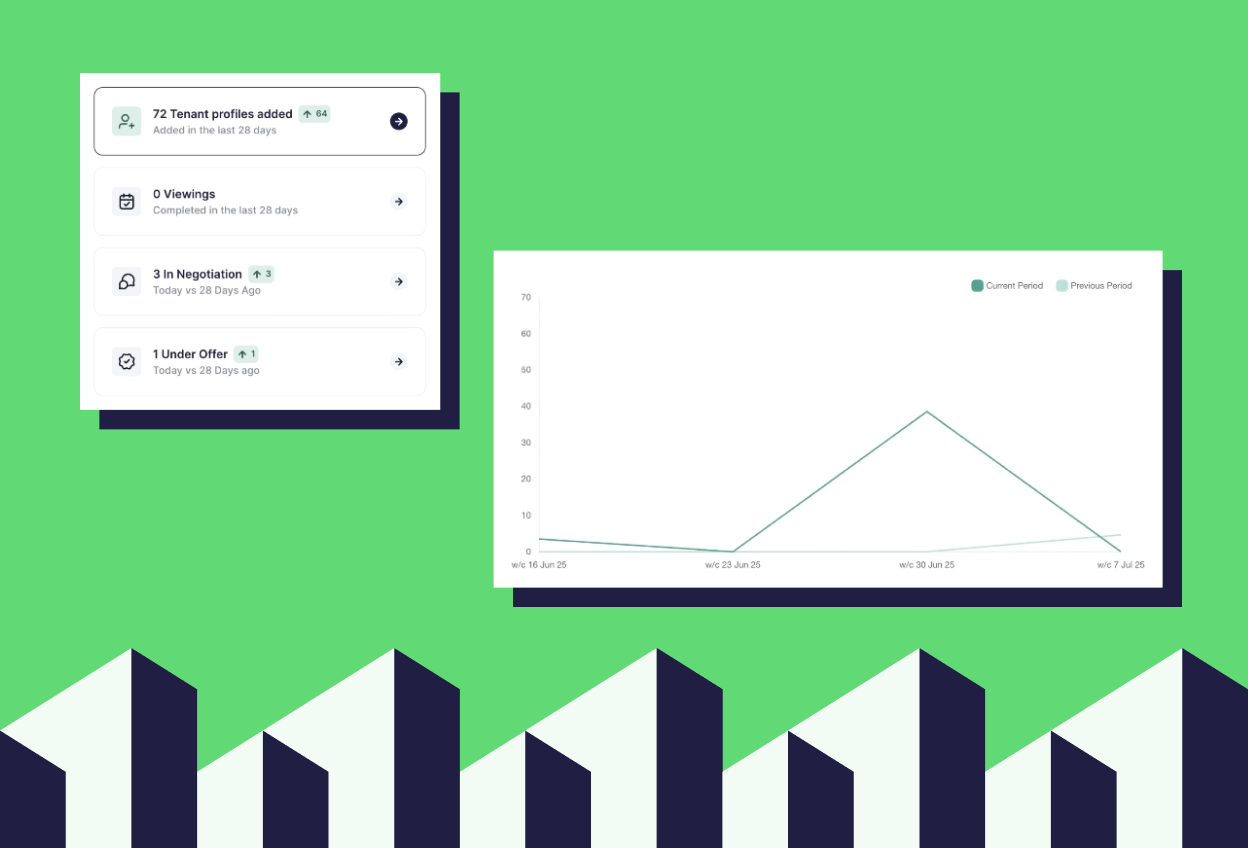
Digital reporting is rapidly becoming a defining standard in commercial property. Our recent Digital Reporting Masterclass brought together 100+ members of the Agents Society, highlighting one clear message: embrace modern reporting now to deliver stronger client relationships and sharper decision-making in the future.
Some more key takeaways from the session:
1. Digital Reporting: the new baseline for professional service
Digital reporting replaces manual spreadsheets and fragmented, disconnected updates with real-time, centralised insight via a digital dashboard. It removes delays, reduces double-entry, and gives landlord clients clarity and transparency, whilst maintaining agency control.
The benefits are immediate:
- Instant visibility of performance
- More efficient collaboration
- Better-informed, data-backed decisions
The result is a reporting experience that feels modern, controlled and consistent - for both agents and their clients.
2. Clients expect clarity
A recurring theme we heard: clients want clarity, not commentary. They value data-backed advice delivered promptly and presented in a format that helps them act with confidence.
Landlords such as Landsec, GPE, Derwent, Brookfield and others already receive digital schedules from agents via Kato. They told us they value live updates, market data, and streamlined communication.
As Harry Foster, Leasing Director at Landsec, shared:
“Now we have everything in one place… It saves time, allows better collaboration with agents, and gives me valuable insights into market demand.”
Clients aren’t waiting for the industry to catch up. They are already adopting digital solutions.
3. What good digital reporting looks like
Effective reporting highlights key actionable insights. Landlords increasingly want data around interest levels and sources, sector trends and comparable and competing schemes. At a building level they also want to know viewing trends and discounted reasons - if occupiers aren’t choosing their building, where are they going instead! All of this is made possible with Kato.
This data-led approach also has a transformative effect on marketing meetings which pivot from backward looking reactionary updates to forward focused discussions on priorities, actions and outcomes.
In short, it’s a shift from describing activity to explaining performance.
4. Why agents should lead (not follow)
The session also highlighted a risk: if agents wait for landlords to dictate reporting requirements, control slips away.
Many landlords are already on the digital reporting journey with tools like Salesforce, VTS or SharePoint. For agents, this creates multiple formats, additional admin, double-keying and systems that rarely reflect the reality of commercial real estate. It also fragments information, increases the input burden and removes the opportunity to build a consistent, professional reporting cadence.
By leading with digital reporting, via their own system - rather than reacting to landlord demands - agents protect the integrity of their process and strengthen their position as trusted advisors. They also maintain a valuable data set across all of their disposal transactions - a clear analysis of what the agency is seeing across their book of business: incredibly powerful when pitching for new instructions.
In summary
We wrapped up the Masterclass with a summary and a call to action. Agents already have the ability to provide digital reporting directly to their landlord clients from Kato, for free.
It’s the simplest, quickest way to elevate your agency’s value - and the agents who lean in now will be the ones shaping the future of commercial real estate.
Ready when you are!
Get in touch to find out more about digital reporting via Kato & Agents Society, or simply click ‘share’ from your disposal’s interest schedule page.
Find out how Kato can help your team today. Reach out for more information, or a live demo.